
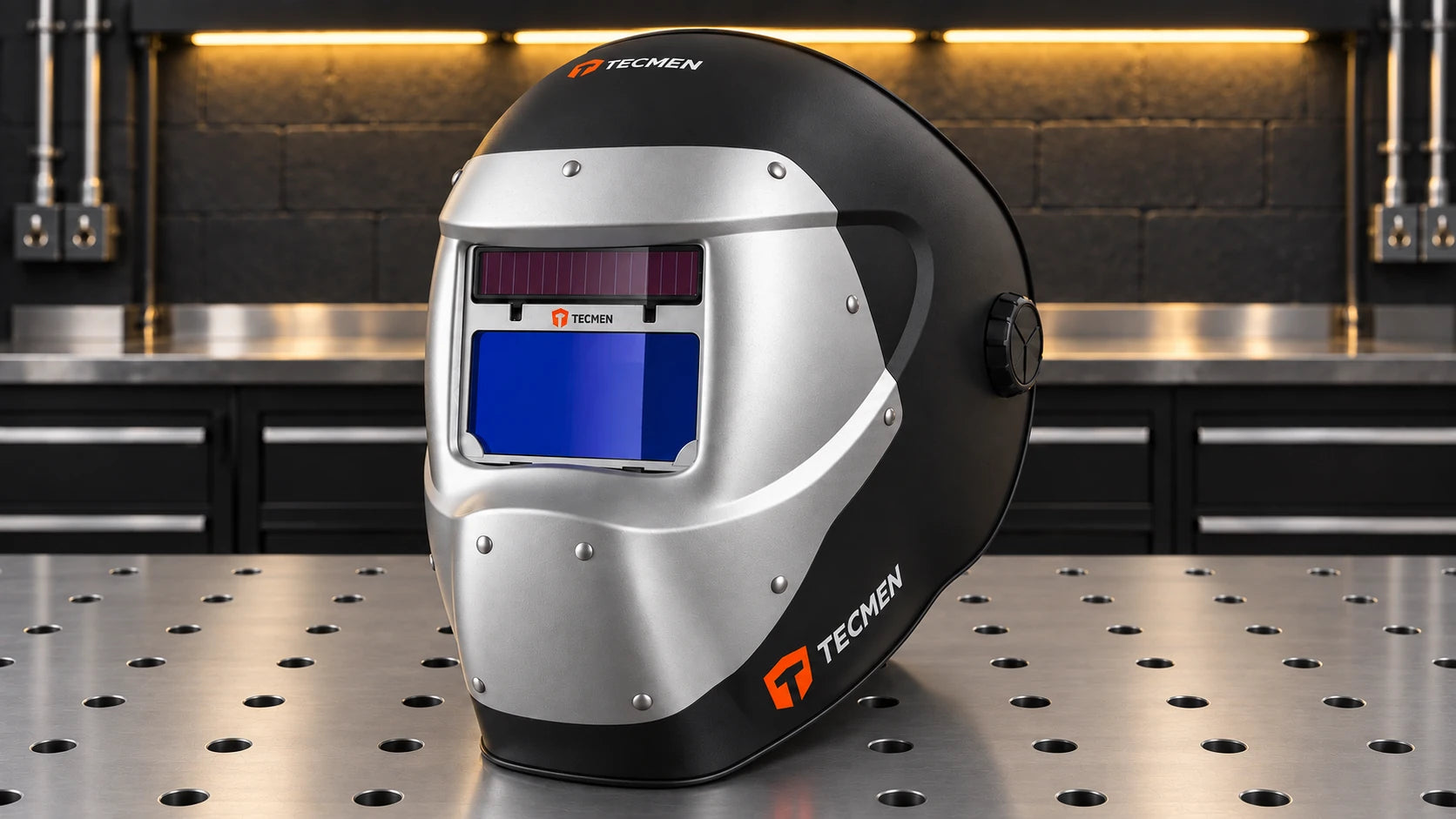
Laser welding can deliver fast, precise results, but a safe setup is essential before the first weld. Unlike conventional arc welding, fibre laser equipment requires a controlled work area, laser-appropriate protection and clear operating procedures.
This guide covers the main laser welding safety considerations for Australian workshops, including enclosure design, PPE, fume extraction, fire prevention and operator training.
Why laser welding safety needs a dedicated approach
A fibre laser beam can be hazardous to eyes and skin and may create reflected radiation from shiny materials. The work area must be designed around the equipment’s laser class, operating method and materials. Treat safety as part of the installation and workflow, not as an accessory added later.
Always follow the machine manufacturer’s instructions, site risk assessment and applicable Australian workplace health and safety requirements. If you are setting up a new laser welding area, get advice from a qualified safety professional.
1. Use a controlled laser welding area
Class 4 handheld laser welding needs a laser-controlled area designed for the actual installation by a competent laser safety professional. Specify suitable containment, access interlocks and controlled viewing; ordinary arc-welding curtains are not a substitute for laser-rated barriers.
- Define the laser-controlled zone before installation.
- Keep access points visible and free from obstructions.
- Use warning lights, signage and access controls appropriate to the system.
- Control direct and reflected beam paths, including reflections from the workpiece, fixtures and tools inside the enclosure.
- Keep visitors and untrained staff outside the controlled area.
2. Choose the right laser PPE
Select eye and face protection for the laser wavelength and assessed exposure. An arc-welding shade number alone does not establish laser protection.
Follow the complete PPE combination in the laser manufacturer's instructions. For example, LightWELD specifies laser safety glasses together with a suitable laser welding helmet. Do not assume glasses alone or a conventional welding helmet is sufficient.
3. Plan fume extraction and ventilation
Laser welding fumes depend on the base metal, coating, contamination, filler wire and shielding gas. Stainless steel, painted material, galvanised coatings and unknown residues require particular care. Use effective local exhaust ventilation close to the weld zone and maintain filters according to the extraction system instructions.
- Clean and identify material before welding.
- Remove coatings or residues only with an approved process.
- Position the extraction hood so it captures fumes without disturbing shielding gas.
- Do not rely on general room ventilation alone for concentrated welding fumes.
- Arrange exposure monitoring or professional advice when the material or workload is uncertain.
4. Control fire and heat hazards
Laser welding creates concentrated heat and can ignite combustible materials, dust or residues. Keep the bay clear of cardboard, solvents, timber, oily rags and other unnecessary combustibles. Inspect the workpiece and the area behind it before starting, especially when welding near panels, cavities or insulated assemblies.
Keep suitable fire equipment accessible, know the emergency stop procedure and include hot-work checks in the workshop’s normal operating process. After welding, inspect the area for smouldering materials rather than leaving immediately after the last pass.
5. Manage shielding gas and compressed cylinders
Use only the shielding gas approved for the material and laser process. Secure cylinders and check connections with an approved leak detector. Process gases can displace oxygen; ventilation and any required atmosphere monitoring must address that risk.
Use the gas, flow rate and connection method specified for your machine and material. Incorrect flow can affect weld quality and may disturb the protection of the weld pool.
6. Keep the laser welder and accessories maintained
Inspect the gun, delivery cable, optics, nozzle, wire feeder, cooling system and specified workpiece-contact safety circuit. A laser contact interlock is not an arc-welding work-return connection; never bypass it.
- Keep optical components clean using the approved method.
- Check coolant level and condition on water-cooled systems.
- Replace damaged cables, hoses, windows and consumables before operating.
- Keep ventilation openings clear of dust and fibres.
- Record inspections and service work for repeatable workshop control.
7. Train operators before production
Operators should understand the machine controls, approved materials, safe work zone, PPE, fume extraction, shielding gas, emergency stop and shutdown process. Training should also cover reflections, fire hazards, hot work, material coatings and what to do when the machine reports a fault.
Do not allow an operator to work alone until the workshop has confirmed the required controls and competency. Keep setup instructions and emergency contacts easy to access near the controlled area.
Choosing a laser welder with safety in mind
Safety starts with selecting a machine that suits the site. Consider laser power, water cooling, cable length, workpiece size, extraction requirements, power supply, accessories, training and local support.
Ask for the exact model manual, installation requirements and safety documentation before choosing a laser welder. A product listing does not establish that a particular workshop installation is safe.
Laser welding safety checklist
- Controlled area and access procedure confirmed.
- Laser-rated PPE selected for the equipment.
- Local exhaust ventilation installed and maintained.
- Combustibles and reflective hazards removed from the work zone.
- Gas cylinders secured and connections checked.
- Cooling system, optics, cable and consumables inspected.
- Operator training and emergency procedure completed.
Frequently asked questions
Can I use a normal welding helmet for laser welding?
No. Use the manufacturer's specified laser eye-and-face protection, selected for the wavelength and exposure assessment. Retain the required containment and access controls even when wearing that PPE.
Does laser welding need fume extraction?
Fume controls depend on the material, coatings and process, but local exhaust ventilation is an important part of a professional setup. A risk assessment should determine the appropriate extraction and filtration for your work.
Is handheld laser welding safe?
A handheld laser is suitable only within a properly assessed, commissioned and maintained laser safety system. This guide cannot certify a workshop enclosure or an operator's setup.
Need help planning a laser welding setup?
Before ordering, talk to A&S Welding Supplies about the material you weld, machine power, cooling, accessories, training and workshop requirements. The right setup protects operators and helps you get consistent results from your laser welder.
Related guides
Buying adviceLaser Welders in Australia: How to Choose a Fibre Laser Welder Buying adviceChoosing a Welding Helmet: A Practical Buying Checklist Equipment guideWelding Helmet Features Explained: Lenses, Fit and PAPRPlan the installation before the purchase.
Bring your proposed layout, materials and intended work to the discussion.
Ask us about thisTechnical sources and scope
Reviewed 22 September 2026. Manufacturer examples apply to the named equipment; use the current manual for your exact model and the required welding procedure.
- IPG LightWELD — laser welding safety basics
- IPG LightWELD — laser welding PPE
- SafeWork NSW — Welding processes code of practice (2022)
Laser enclosure design, exposure assessment and PPE selection remain site-specific work for a competent laser safety professional. This article does not approve an installation.


